Is Crawl Space Encapsulation Worth It in Charleston? A Cost-and-Benefit Walkthrough
For most Charleston homes with a damp or vented crawl space, crawl space encapsulation is worth it: published local pricing runs about $5 to $12 per square foot, and the work targets the moisture, mold, and wood rot that damage a house from below. A dry, already well-sealed space may need only part of that scope, so an inspection should come before any contract.
Crawl space encapsulation in Charleston, SC means sealing the ground, walls, and openings under the house and drying the air, so floor joists and ductwork stop sitting in damp air. The payoff is mostly avoided damage: sagging floors, termites, and mold that otherwise keeps returning. This walkthrough sets the cost against that payoff, one question at a time.
What Does Crawl Space Encapsulation Actually Involve?
Crawl space encapsulation seals the soil, walls, and openings under a house and dries the air left inside, so the space stops trading moisture with the ground and the weather.
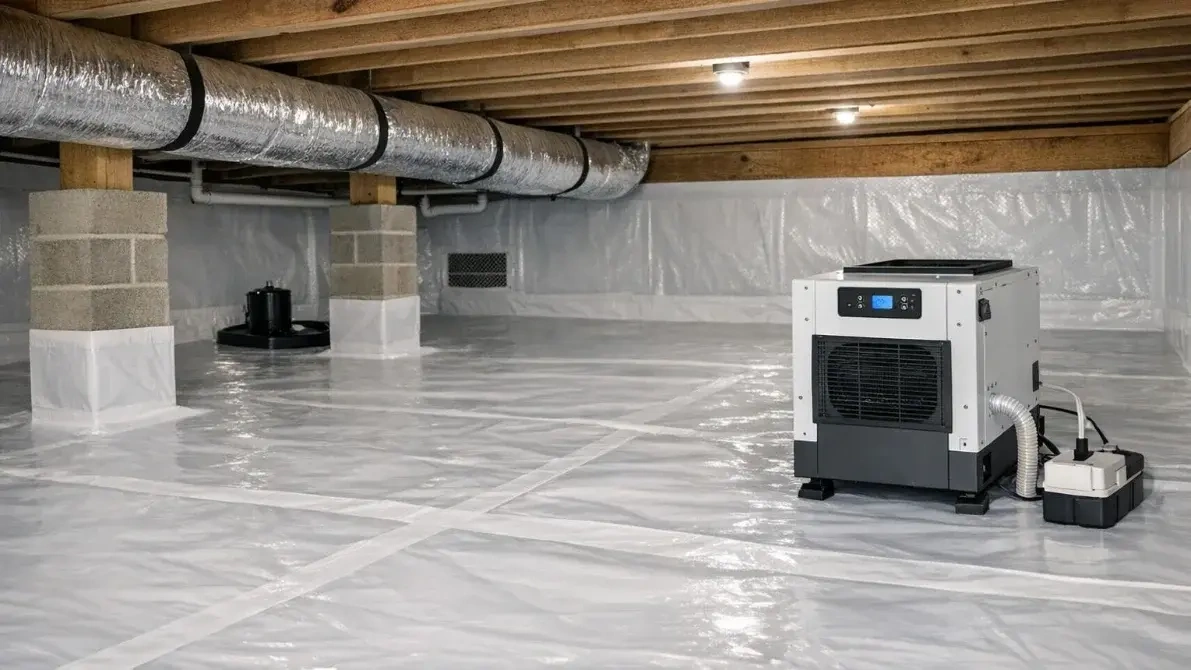
A full job usually starts with a cleanout of debris and failing insulation. A vapor barrier then covers the soil with taped seams, climbs the foundation walls, and wraps each pier. Where water collects, drainage or a sump pump goes in first, and damaged wood gets framing repair before anything is covered.
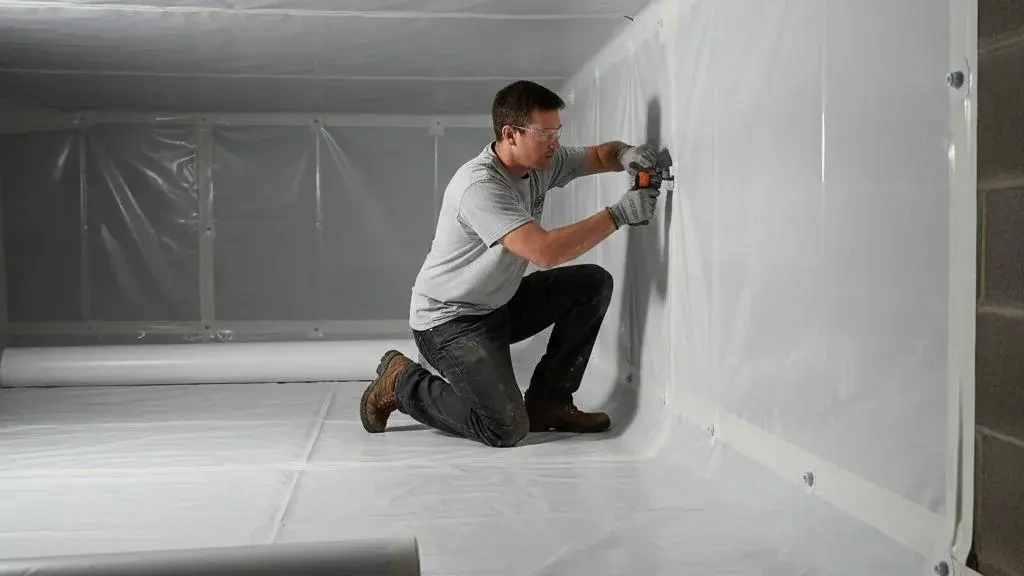
Two details separate a sealed space from a merely covered one. The foundation vents and air gaps are closed, and a dehumidifier sized to the space handles whatever moisture remains. Where floors feel bouncy, crawl space jacks and reinforced piles add support. The end goal is a conditioned part of the house rather than a damp pit under it.
Why Do Charleston Crawl Spaces Stay Damp?
Charleston crawl spaces stay damp because coastal humidity, frequent rain, and a shallow water table keep feeding moisture into homes built close to the ground.
One local foundation contractor reports average humidity above 70% and 50+ inches of rain a year. A water table only a few feet below grade and clay-rich soils that hold water make standing pools after a storm unsurprising, and low neighborhoods carry real flooding risks. Expansive clay soil that swells and shrinks can add foundation settlement on top.
The old idea that open vents let a crawl space breathe works against this climate. Hot summer air meets cooler surfaces and condenses on cool ducts, pipes, and insulation, feeding mildew, while leaking pipes or cracks in the slab quietly add more water. Moisture rarely leaves a crawl space on its own.
How Do You Know Your Crawl Space Needs Encapsulation?
Your crawl space likely needs encapsulation if the house smells musty in summer, floors feel soft or bouncy, or you can see condensation, mold, or water pooling underneath.
A musty odor that rides the first blast of air conditioning is a classic sign. Others include cupping hardwood, rusty nail heads or corroded straps, wet sagging insulation, and damp soil days after rain. Allergy symptoms that worsen at home, and roaches or water bugs showing up indoors, point the same way.
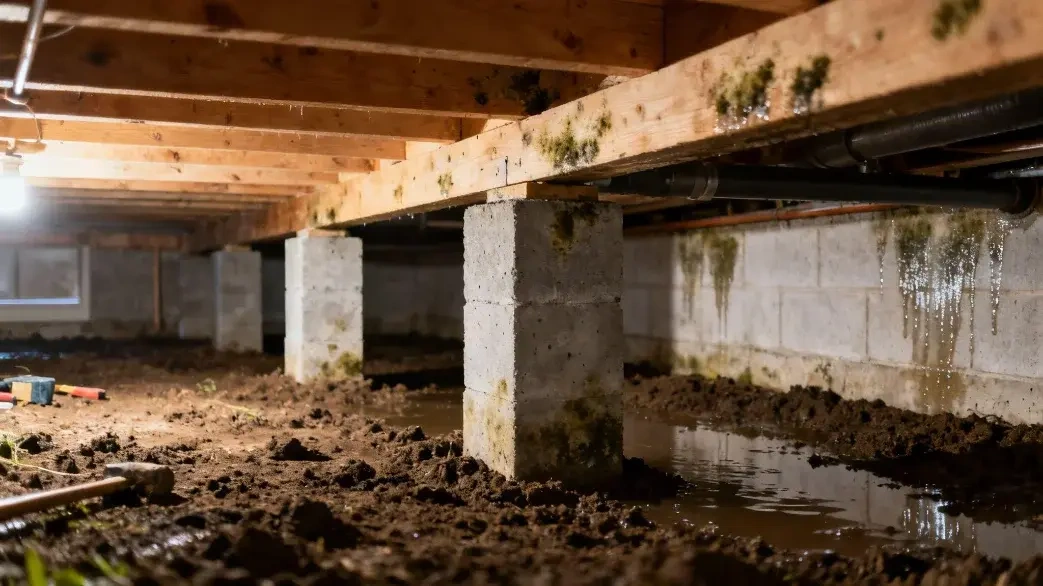
Not every sign means a full job. Rising summer power bills can have other causes, and a CL-100 report that flags wood rot or termite activity during a sale is a prompt to look, not a verdict. Photographs and moisture readings from under the house settle what a smell cannot.
How Much Does Crawl Space Encapsulation Cost in Charleston, SC?
Published Charleston pricing for complete crawl space encapsulation runs about $5 to $12 per square foot, depending mostly on the condition of the space.
Local contractor guides frame the whole project differently: one gives a $5,500 average within a $1,500 to $15,000 total spread, while another puts a typical home at $5,000 to $15,000. Those figures overlap more than they conflict, because size and condition move the total.
| Crawl space condition | Rate per sq ft | Calculated for 1,200 sq ft |
|---|---|---|
| Dry and fairly clean | $5–$8 | $6,000–$9,600 |
| Damp, some debris or old liner | $6–$10 | $7,200–$12,000 |
| Standing water, heavy debris or visible mold | $8–$12 | $9,600–$14,400 |
The last column multiplies each rate by 1,200 square feet, so treat it as budgeting math rather than a quote. A liner-only job can land far below these rates, but it leaves the vents, drainage, and humidity unaddressed.
Why Do Two Encapsulation Quotes for the Same House Differ?
Two encapsulation quotes for the same house differ because contractors often price different scopes of work, not because one is padding the price.
A low quote may use a thin liner, skip the walls, leave the vents open, omit the dehumidifier, or plan to lay plastic over debris. A high quote may include premium materials, backup pumps, or closed cell spray foam, which costs more than foam board. Ask every company for the liner thickness, how seams and walls are sealed, and the dehumidifier size, then compare line by line.
Add-ons are priced on top of the base rate, and the ranges below come from one Charleston contractor’s cost guide.
| Common add-on | Typical range | When it applies |
|---|---|---|
| Drainage and sump pump | $1,800–$4,500 | Groundwater or storm runoff is reaching the space |
| Foundation wall insulation | $2,000–$5,500 | Wall area is insulated; spray foam costs more than foam board |
| Mold remediation and antimicrobial treatment | $1,500–$6,000 | Active growth on framing needs cleaning and containment |
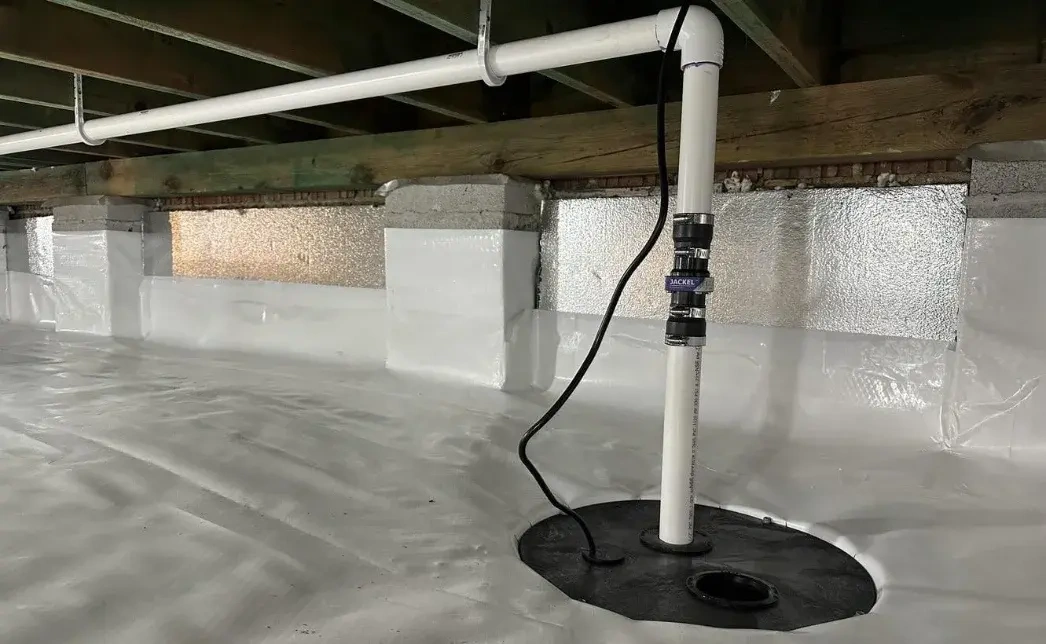
Some savings are real. Phasing the work lets drainage, cleanout, and repairs come first with sealing later, and foam board is often enough on walls. Fixing gutters and downspouts and grading yourself reduces the load on the system. DIY kits exist, but finding every moisture source is the hard part, and savings that skip drying, drainage, or cleanout tend to return as repeat work.
What Do You Get Back for the Money?
Encapsulation pays back mainly through avoided repairs and a healthier house, since its cost is often lower than replacing rotted framing, remediating widespread mold, or repeatedly replacing failed insulation.
Homeowners tend to notice a drier crawl space first, then a house that smells fresher and comfortable floors underfoot. Fewer mold spores and allergens reach the living space, and a sealed, dry crawl space is far less welcoming to pests. Some owners even use the cleaned space for light storage.
Resale and utility savings are the soft part of the case. Buyers and inspectors in Charleston often flag damp crawl spaces, yet nobody can predict how the market will treat a specific house, and bills depend on ducts, insulation, and leaks. Avoided damage and peace of mind are the most dependable parts of the payoff, and any resale or utility benefit is upside.
What Thickness Should a Crawl Space Vapor Barrier Be?
A crawl space vapor barrier should be at least 6 mil to match typical residential code, and a 12 mil or thicker liner is recommended for crawl space use.
Residential building codes usually call for a reinforced poly barrier of 6 mil minimum, but one contractor guide treats that as a floor and recommends 12 mil or heavier. A durable, puncture-resistant liner matters because the surface gets walked on, and a torn spot lets ground moisture back in.
A standalone barrier is the cheap part. The same guide budgets $0.25 to $1.50 per square foot, more at 20 mils or thicker, while the labor sits in cleanout, sealing, and drying. One Charleston contractor says a thin, unsealed liner is the most common reason encapsulation fails, and the barrier itself does not cause mold; it lowers the risk.
What Happens During the Encapsulation Process?
The encapsulation process runs in five ordered steps, and one contractor says an average-sized home typically takes 1 to 3 days to complete.
- Free inspection: The crew checks moisture levels, framing, insulation, drainage, and signs of mold or insects, and photographs what it finds.
- Written estimate: You receive a written scope and price, and a good contractor says so if only part of the job is needed.
- Prep and repair: Debris, damaged wood, and mold are dealt with before any barrier goes down.
- Install: The barrier is laid and sealed, the vents are closed, and the dehumidifier goes in.
- Walkthrough: The finished space is shown to you, with maintenance and warranty coverage explained.
A clean, open crawl space goes quickly. One that needs failing insulation pulled, mold treated, or framing repaired takes longer, and the schedule should appear in the written estimate before work starts.
What Should a Written Encapsulation Quote Include?
A written encapsulation quote should itemize the scope of work instead of giving a single number, so you can compare contractors line by line.
- Square footage of the space, plus the liner material and thickness
- Seams and walls, and how the vents and air gaps are sealed
- Size and model of the dehumidifier
- Drainage plan, if water is reaching the space
- Existing insulation and how debris is handled
- Timeline and payment terms
Ask for warranty terms in writing, and check credentials such as IICRC certification where a contractor claims it. Some contractors advertise a 5% pay-in-full discount, but a discount only helps if the scope behind it is complete. If a quote is one lump sum on a single line, ask for more detail before signing. If you would like a written scope for your own home, you can request a free quote.
Does an Encapsulated Crawl Space Need a Dehumidifier?
Yes, in most Charleston homes an encapsulated crawl space needs active drying, because closing the vents traps the humid air already underneath. A dehumidifier sized to the layout and floor area is the usual fix, though some contractors use supply air or an exhaust fan where conditions allow.
The unit also has to keep pace through a Lowcountry summer. A dehumidifier alone is a poor shortcut without the sealed barrier, since it would fight a constant flow of moist air from the soil.
Should an Encapsulated Crawl Space Be Insulated?
Yes, an encapsulated crawl space should be insulated, because inadequate insulation can leave ice cold flooring and invite condensation and mildew. Insulation can go on the walls or between the joists.
Many older Charleston homes carry outdated insulation that is damp or damaged, and moisture-resistant insulation reduces temperature fluctuations and the risk of mold. Foam board is the lower-cost wall option, while spray foam costs more.
How Long Does Crawl Space Encapsulation Last?
Crawl space encapsulation is reported to last 15 to 20 years when properly maintained. Maintenance here means an annual inspection, working monitors on the dehumidifier, and prompt repair of any failed liner. Warranty length is a separate promise, so compare it with the life estimate instead of assuming the two match.
Does Crawl Space Encapsulation Stop Radon?
Crawl space encapsulation can reduce radon levels in a house, and one contractor claims a drop of up to 99 percent, though that is a contractor’s figure and not an independent test result. Radon is a radioactive gas linked to cancer, so the safe move is to measure your own level instead of relying on a sales number.
Will Encapsulation Lower My Energy Bills?
Encapsulation may lower energy bills, but the savings vary by home and no figure is guaranteed. One contractor says heating and cooling costs could fall up to 20% by easing the load on the HVAC system, while another declines to promise any number because results depend on ductwork, insulation, and how leaky the crawl space was.
Does Homeowners Insurance Cover Crawl Space Encapsulation?
Homeowners insurance does not cover the cost of crawl space encapsulation, according to one Charleston contractor’s guide, so confirm with your insurer.
Mold coverage is not guaranteed under every insurance policy, and mold damage is usually covered only when a risk the policy covers caused it. Mold tied to flood water would need a separate flood insurance policy, so read your own policy before assuming either way.
Does the Encapsulation Warranty Transfer When You Sell?
Some encapsulation warranties do transfer when you sell, and one Charleston contractor says its coverage is attached to the house rather than the owner.
That contractor’s 25-year warranty passes to the next owner, and its contract spells out what is covered, what voids it, and how the transfer works. Terms vary by project, so get yours in writing and have it ready at closing.
Can You Encapsulate a Crawl Space That Has Mold or Termite Damage?
Yes, a crawl space with mold or termite damage can be encapsulated, but the damage must be repaired first so nothing rotten gets sealed in.
Termite damage repair and mold removal come before the barrier goes down, along with pulling old insulation and debris. Sealing over problems locks them in and only delays the cost, which is why structural repair to rotted joists or piers comes first.